
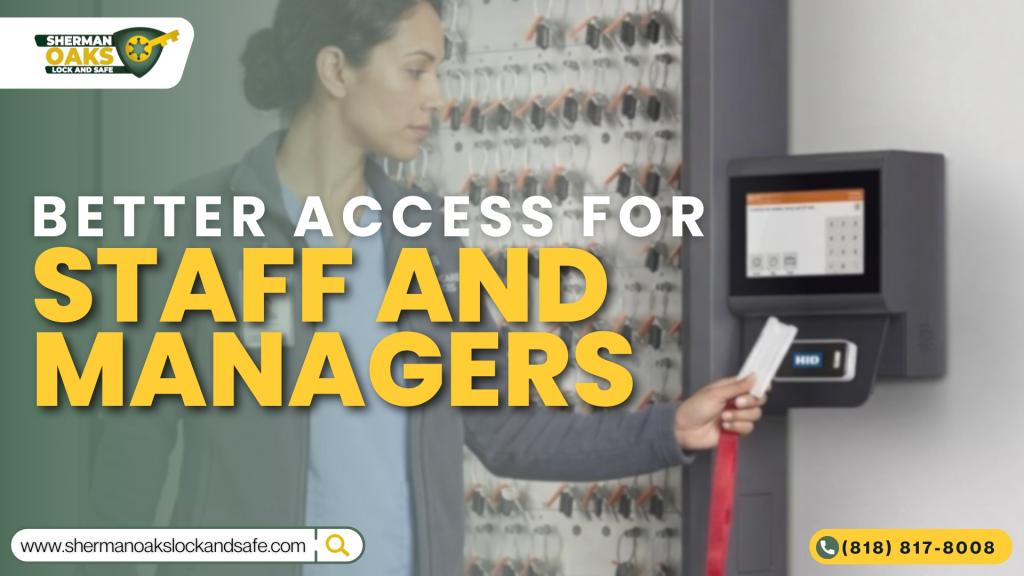
What Are Master Key Systems and How Do They Improve Office Security?
Master key systems are sophisticated locking mechanisms designed to provide differing levels of access to authorized personnel within an organization. By centralizing access control, these systems enable managers to simplify the navigation of locking and unlocking various spaces, ensuring that only designated individuals can enter specific areas. This system not only enhances convenience but also significantly bolsters office security by controlling and monitoring access thoroughly. Implementing a robust master key system can streamline operations and improve overall security posture.
How Does a Key Hierarchy Organize Access Permissions?
A key hierarchy is a systematic way of organizing keys where each key has specific permissions based on the user’s role. At the top of this hierarchy, there is the master key, which can unlock all locks, granting the highest level of access. Below that are sub-master keys, limited to certain areas, and change keys that work for individual locks. This layered approach to key management ensures that personnel have appropriate access based on their responsibilities while minimizing the risk of unauthorized entry.
What Benefits Do Master Keys Provide for Staff and Manager Accessibility?
Master keys offer several benefits for improving access management for staff and managers, including enhanced convenience, improved security protocols, and increased flexibility. For instance, having a single master key reduces the burden of carrying multiple keys, streamlining access for managers moving throughout the workplace. Simultaneously, it amplifies security by monitoring which keys are issued and to whom, thereby enabling faster responses in case a key is lost or misplaced.
How to Design a Centralized Key Management System for Efficient Access Control
Designing a centralized key management system entails establishing a structured approach to issuing, tracking, and managing keys within an organization. It is essential to consider best practices and suitable tools to ensure efficiency and security.
What Are the Best Practices for Structuring an Employee Key System?
Implementing best practices can significantly enhance the effectiveness of key control systems. A few essential practices include:
- Regular Updates: Keep access permissions updated to reflect staffing changes.
- Key Issuance Logs: Maintain accurate records of who has received keys and for what purpose.
- Audit Trails: Employ audit trails to track key usage and identify potential security breaches.
These practices contribute to maintaining a secure environment where access is managed effectively and responsibly. Proper key management practices are vital for any organization.
Which Tools and Protocols Support Secure Key Issuance and Tracking?
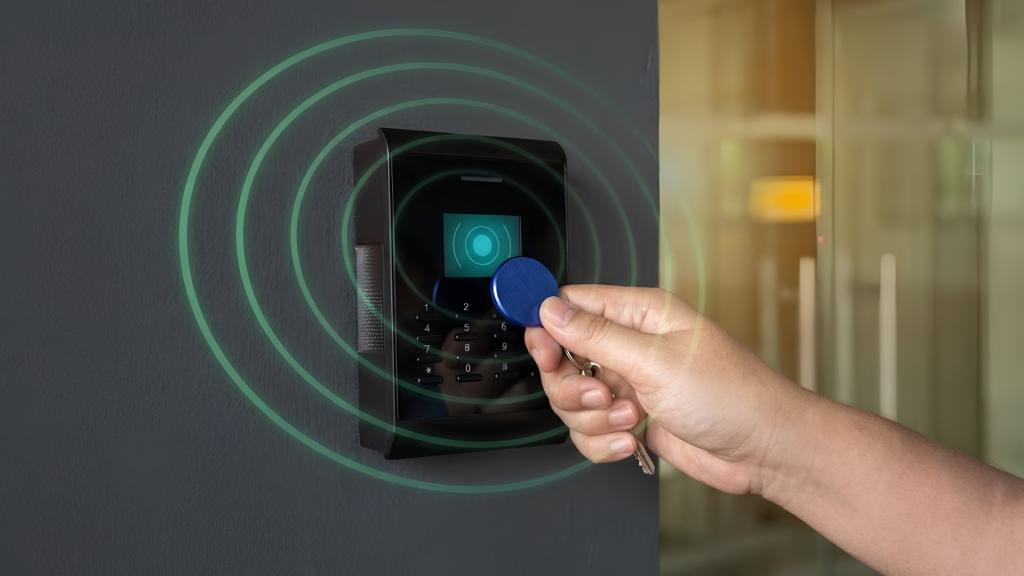
Various tools and protocols are available to aid in secure key issuance and tracking. Digital key management systems equipped with RFID technology offer a robust solution by allowing real-time tracking of key allocation. Software platforms can automate key distribution processes and enable different access levels for diverse roles within the organization, thereby improving operational efficiency.
What Office Security Solutions Combine Physical and Electronic Access for Staff and Managers?
The integration of physical and electronic access control systems offers a comprehensive approach to security management in the workplace. By merging these technologies, businesses can enhance both safety and user convenience.
How Do Hybrid Access Control Systems Enhance Safety and Convenience?
Hybrid access control systems combine the reliability of traditional locks and keys with the flexibility of electronic systems, such as key cards or biometric scanners. This dual approach ensures that, in case of power failures or technical difficulties, physical keys remain a backup solution. Furthermore, having both access options allows businesses to tailor their security measures based on site-specific needs. These systems are often part of a broader office security strategy.
What Are the Latest Technologies in Electronic Key Control, Access Cards, and Employee Key System Management?
Recent advancements in technology have led to the development of sophisticated electronic key control systems. These innovations include smartphone-managed access and cloud-based monitoring that provide organizations with updated and detailed insights into key usage and access patterns. Such technologies greatly enhance the security landscape by providing quicker access and better management of large-scale operations.
Why Are Security Audits and Compliance Important in Employee Access Systems?
Conducting regular security audits and ensuring compliance with established security standards is critical in maintaining effective key control systems. These audits help uncover vulnerabilities within access protocols and ensure all procedures align with regulatory requirements.
How to Conduct Key Control Audits to Maintain Secure Access Hierarchies?
To conduct effective key control audits, organizations should follow a systematic approach that includes:
- Inventory Checks: Regularly check all keys and locks to ensure they are accounted for.
- Access Reviews: Periodically review who has access to ensure it aligns with current organizational needs.
- Documentation Updates: Update records to reflect any changes to key issuance or access levels.
These measures are vital for upholding security standards and ensuring efficient access management.
What Are the Regulatory Standards Affecting Staff Access Permissions?
Key management systems must comply with various regulatory standards that govern security practices. These regulations often outline protocols for data protection, privacy, and specific security measures required for different categories of facilities. Maintaining compliance with these standards positions organizations to not only protect their assets but also build trust among employees through transparent security measures.
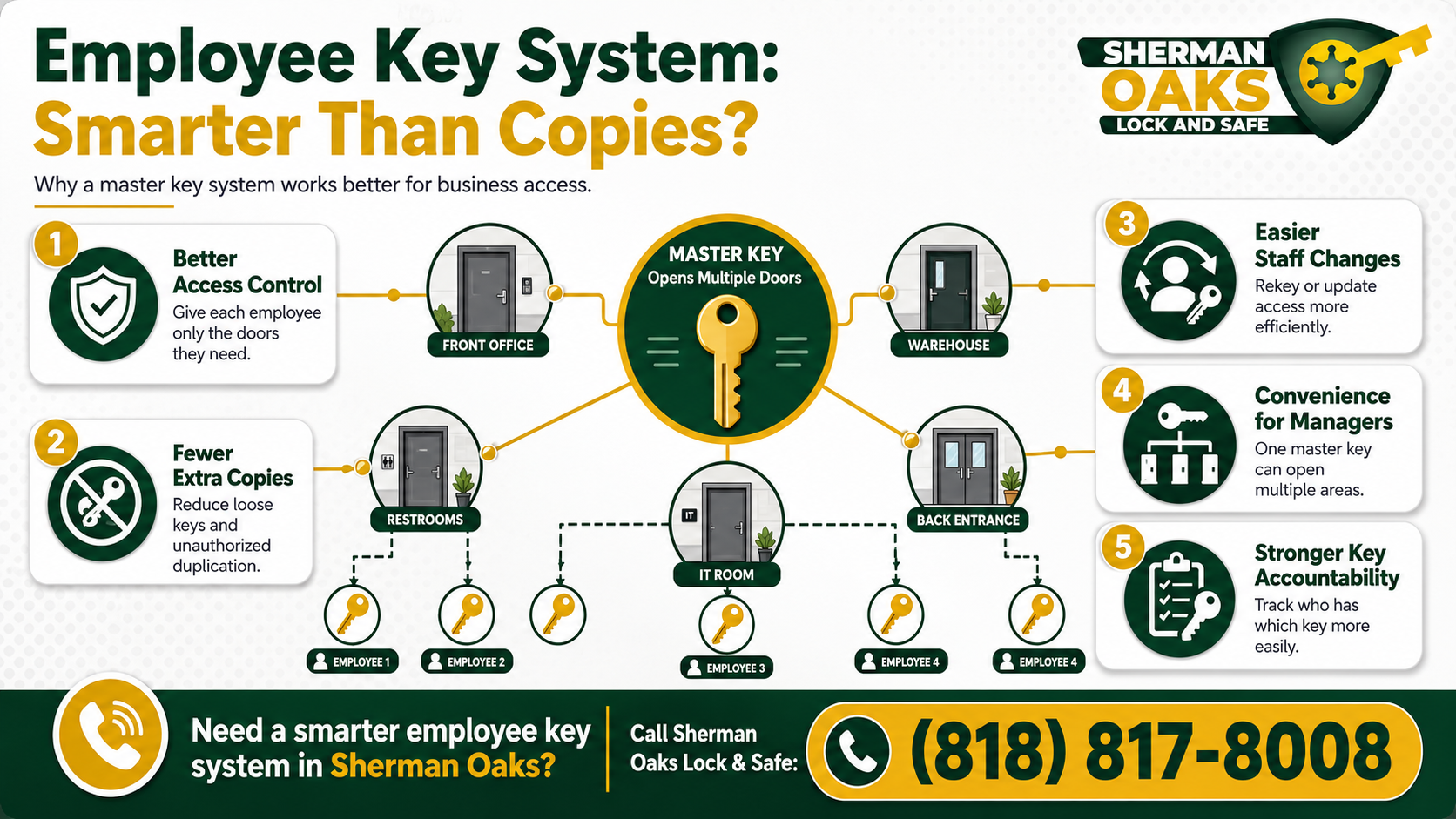
How Can Businesses Benefit from an Employee Key System with Master Key and Key Hierarchy Policies?
Implementing master key and key hierarchy policies offers numerous advantages that can greatly enhance security and operational efficiency within an organization.
What Case Studies Demonstrate Improved Security Through Master Key Systems?
Numerous case studies illustrate the efficacy of master key systems in real-world applications. For instance, a corporate office instituted a master key system and reported a significant reduction in security incidents within the first year of implementation. Enhancing access oversight significantly minimized unauthorized access attempts and improved overall staff safety.
Employee Key System for Safer Workplace Access
Implementing effective employee key systems significantly enhances security and streamlines access management for both staff and managers. By leveraging advanced technologies like master key systems and centralized tracking, organizations can ensure proper access while minimizing risk. Regular audits and compliance checks further reinforce the integrity of these systems, ensuring they evolve with organizational needs. Explore our range of innovative key management solutions today to safeguard your workplace.
Upgrade Your Business Access Today with an Employee Key System from Sherman Oaks Lock and Safe
Enhance your workplace security and streamline access management with our expert key control solutions. Trust Sherman Oaks Lock and Safe to provide reliable, effective systems tailored to your needs.
Call Now: (818) 817-8008