
Securing a storefront entrance is crucial for protecting your business from theft, vandalism, and unauthorized access. This comprehensive guide explores various aspects of storefront security solutions, focusing on reliable commercial locks, physical barriers, security camera systems, and access control systems. Business owners often face challenges in choosing the right security measures that balance effectiveness and cost. By understanding these systems, you can enhance the security of your entrance and safeguard your assets. This blog will cover the most reliable commercial locks and barriers, the best security camera systems, and effective access control systems, along with valuable tips for improving overall security.
What Are the Most Reliable Commercial Locks and Physical Barriers for Storefront Security?
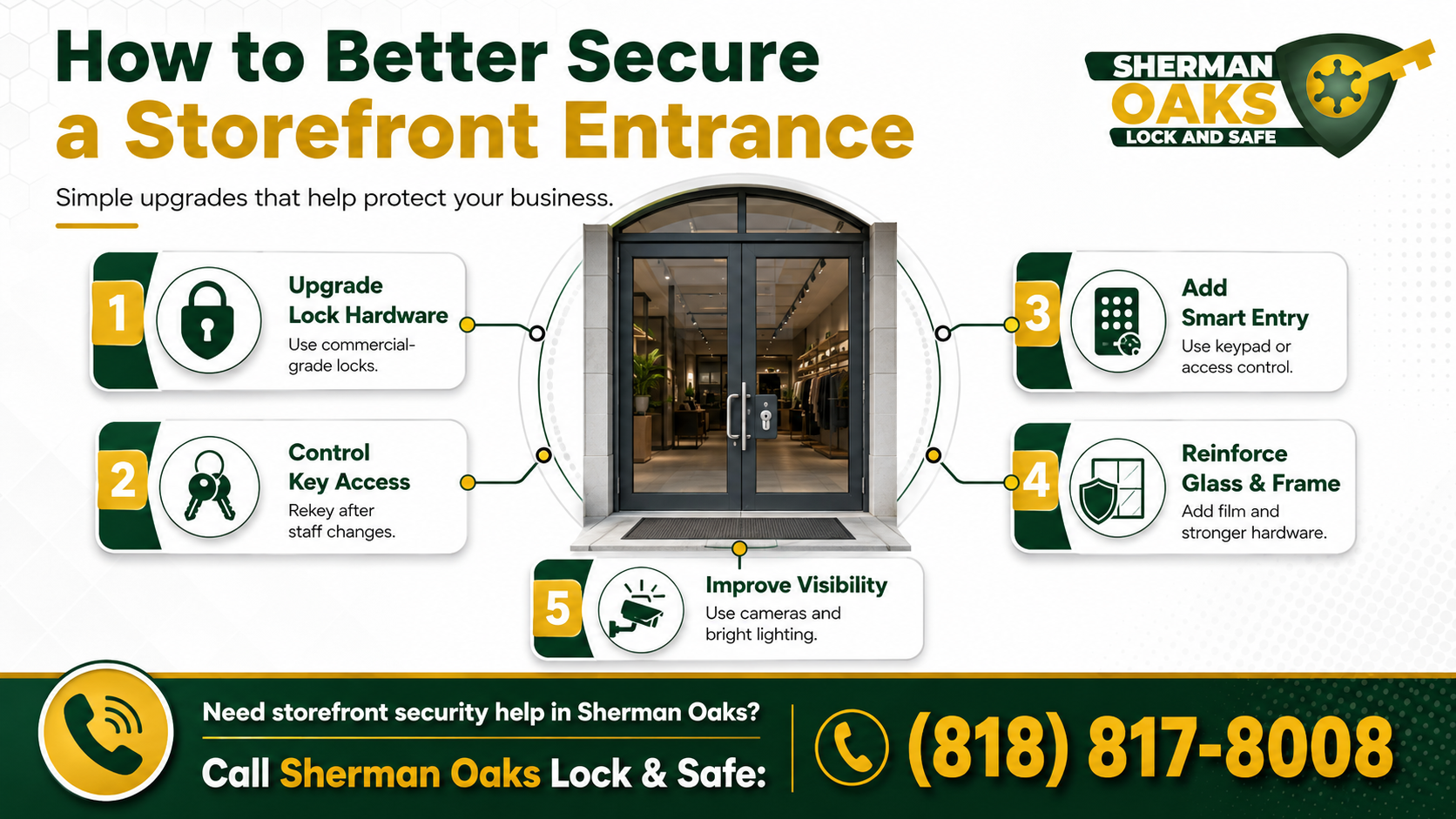
Reliable commercial locks and physical barriers play a crucial role in preventing unauthorized access and protecting assets. High-security locks provide advanced protection against picking, drilling, and bumping, making them a preferred choice for storefront security. Physical barriers, such as reinforced entrances and grilles, enhance security by creating a formidable obstacle against potential intruders. Employing a combination of these security measures significantly reduces the risk of theft and vandalism, providing peace of mind for business owners.
Which Types of Commercial Locks Provide the Highest Security Levels For Best Front Door Security?
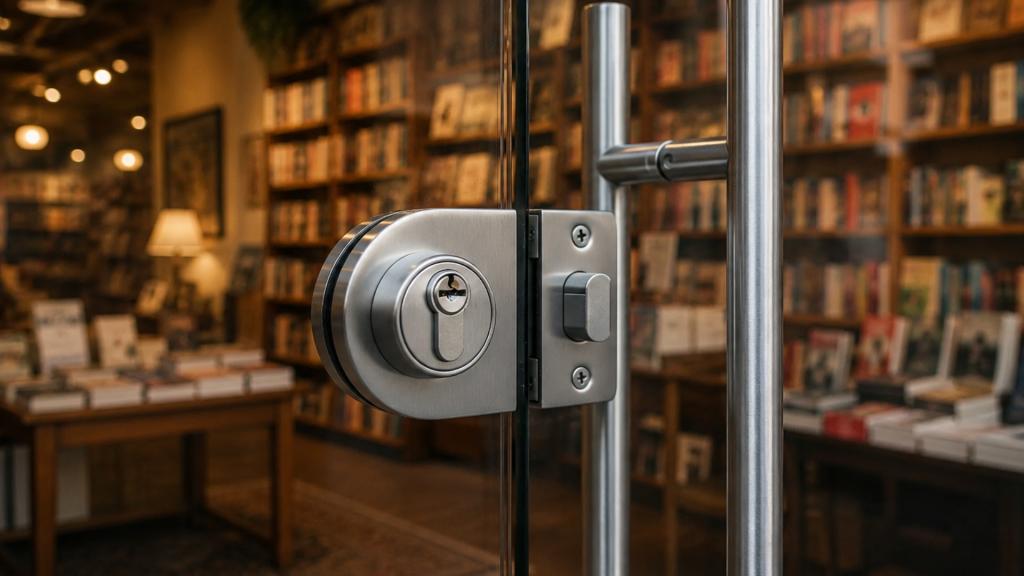
High-security locks are designed with robust materials and advanced locking mechanisms, offering superior protection compared to standard locks. Some popular types include:
- Deadbolt Locks: These locks provide enhanced security through a solid bolt that extends into the door frame, making it difficult for intruders to force the door open.
- Smart Locks: Incorporating keyless entry and remote monitoring capabilities, smart locks allow business owners to control access from their smartphones, enhancing convenience and security.
- Medeco Locks: Known for their patented design, Medeco locks use advanced mechanisms that make unauthorized duplication of keys nearly impossible.
Choosing the appropriate lock type involves considering factors such as security needs, cost, and compatibility with existing systems.
How Do Physical Barriers Reduce Theft and Unauthorized Entry?
Physical barriers serve as the first line of defense for storefronts, deterring potential thieves by making entry difficult. Common types of physical barriers include:
- Reinforced Entrance Doors: These doors are constructed from heavy-duty materials and often feature anti-pick mechanisms, making them resistant to forced entry.
- Security Grilles: Installing security grilles can provide an additional layer of protection by blocking access during non-business hours while allowing visibility into the storefront.
- Window Bars: These bars prevent easy access through windows, a common entry point for burglars, without compromising natural light.
By implementing these barriers, business owners can significantly enhance their entrance security and deter potential threats.
Which Security Camera Systems Are Best Suited for Business Storefront Surveillance?
Security camera systems are essential for monitoring storefronts and deterring criminal activity. Choosing the right camera system involves evaluating various features such as resolution, coverage area, and integration capabilities.
What Are the Recommended Security Cameras for Small Business Storefronts?
For small business storefronts, several camera options stand out:
- Dome Cameras: Offering 360-degree coverage and discreet design, dome cameras are ideal for monitoring entrances without being obtrusive.
- Bullet Cameras: Known for their long-range capabilities, bullet cameras are perfect for monitoring outdoor spaces and parking lots.
- PTZ Cameras: Pan-tilt-zoom cameras allow for versatile coverage by enabling operators to adjust the camera view remotely, providing real-time surveillance flexibility.
Selecting a camera system should account for the specific layout of your storefront and security needs.
How Does Integrating Video Surveillance with Other Security Measures Enhance Storefront Security?
Integrating video surveillance with other security measures enhances overall security by providing a comprehensive approach. For example, linking security cameras with alarm systems ensures immediate alerts in case of suspicious activity. Furthermore, employing motion detection alerts allows business owners to monitor real-time footage and act swiftly during potential security breaches. This multi-layered approach not only mitigates risks but also aids in gathering evidence for investigations following incidents.
How Can Access Control Systems Improve Storefront Security?
Access control systems play a significant role in regulating who enters a store and when. By implementing these systems, businesses can restrict access to authorized personnel only, thus reducing the chances of theft and improving safety.
What Access Control Options Are Available for Controlling Employee and Visitor Entry?
Several access control options are available for effectively managing entries:
- Keypad Systems: These allow users to enter a numeric code for access, providing a simple yet effective method for controlling entry points.
- Card Readers: Employees can use RFID cards or badges to gain access, simplifying entry management and allowing for easy revocation of access rights if required.
- Biometric Systems: These systems use fingerprints or facial recognition for entry, offering a high level of security and preventing unauthorized access.
By selecting the appropriate access control solution, businesses can enhance security and streamline entry management.
What Are the Installation Requirements and Cost Considerations for Access Control Systems?
When considering installation, it’s crucial to assess the specific requirements for different access control systems. Costs can vary significantly based on the technology chosen, the complexity of the installation, and whether professional assistance is required.
- Installation Time: Basic systems can typically be installed within a day, while more advanced setups may require several days for complete installation and integration.
- Cost Factors: The overall cost of access control systems includes equipment pricing, installation fees, and ongoing maintenance. Higher-end biometric systems may involve larger upfront investments but provide long-term security benefits through reduced theft and loss.
Finally, understanding the total cost of ownership, including potential upgrades and maintenance, is essential for making informed decisions.
What Are the Most Effective Storefront Security Tips and Best Practices for Retail Business Owners?
Implementing best practices for storefront security ensures a proactive approach to minimizing risks. Here are a few essential tips:
- Regular Security Reviews: Conduct periodic assessments to identify vulnerabilities in your security setup and address them proactively.
- Employee Training: Train staff on security protocols and the importance of observing suspicious behavior to foster a culture of safety.
- Visible Security Measures: Displaying security cameras and installing well-lit entrances can deter criminals by signaling that the area is being monitored.
By embracing these practices, business owners can create an environment that prioritizes safety for both employees and customers.
How Can Regular Security Assessments Help Identify Vulnerabilities?
Periodically assessing security measures helps uncover weaknesses that may have developed due to changes in the environment or business operations. Regular assessments allow businesses to adapt their security strategies to evolving threats and ensure continued protection.
What Preventative Measures Can Minimize Shoplifting and Break-ins?
Adopting preventative measures is crucial for reducing risks associated with shoplifting and break-ins. Here are several strategies to consider:
- Enhanced Lighting: Properly lit storefronts not only improve visibility but also deter criminals, as they prefer to operate in darkness.
- Informational Signage: Signs indicating that the premises are under surveillance can serve as a deterrent to potential offenders.
- Staff Vigilance: Encouraging employees to monitor customer behavior can help identify potential shoplifting before it occurs.
By implementing these measures, Sherman Oaks businesses can foster a culture of security that significantly minimizes threats.
How Do Cost and Installation Impact Storefront Security System Choices?
The choices made regarding security systems are often influenced by the associated costs of installation and maintenance. When evaluating potential systems, business owners must consider:
- Budget Constraints: Security budgets may limit options; thus, finding a balance between cost and effectiveness is crucial.
- Long-Term Savings: Although initial costs may be higher for advanced systems, the potential for reduced theft and damage can justify the investment over time.
What Are Typical Price Ranges for Commercial Locks, Cameras, and Access Controls?
When budgeting for security solutions, it’s essential to consider the following price ranges for various systems:
| Security Type | Price Range | Features Included |
| Commercial Locks | $50 – $300 | Varies by lock type and security level |
| Security Cameras | $100 – $1,500 | Options for resolution and features |
| Access Control Systems | $200 – $1,500 | Includes installation and programming |
These price ranges offer insights into the investment needed for various security solutions, helping business owners allocate resources effectively.
Why Is Professional Installation Critical to Storefront Security Effectiveness?
Professional installation ensures that security systems are set up correctly, optimizing their effectiveness and reducing vulnerabilities. Key benefits of hiring professionals include:
- Expertise: Professionals understand the best practices and can tailor systems to specific environments, ensuring maximum protection.
- Warranty Compliance: Many security systems require professional installation to maintain warranties, providing added assurance for business owners.
- Upfront Troubleshooting: Professionals can identify potential challenges during the installation process, addressing them before they become costly issues.
Incorporating professional installation helps to create a robust security framework that effectively meets the unique needs of the business.
Schedule a Professional Storefront Security Site Audit Today
Don’t wait for a break-in, theft, or security failure to put your business at risk. A professional security assessment can identify vulnerabilities in your storefront and help you choose the right combination of locks, surveillance cameras, access control systems, and physical barriers to protect your property. The experts at Sherman Oaks Lock & Safe can evaluate your current security setup and recommend practical solutions tailored to your business needs. Call (818) 817-8008 today to schedule your storefront security site audit and take the next step toward a safer, more secure business.